The World of Deer

Deer information, history, and facts to help you understand this beautiful species and the role it plays in our ecosystem.

Referenced by the Following Media Outlets

World Deer As Seen On PBS.org, NJ.com, INaturalist (a joint venture of the California Academy of Sciences and National Geographic), and the University of Michigan Zoological Museum Blog - AnimalDiversity.org

As a trusted source of information about deer, we are regularly cited by news outlets, nonprofits, and top publications across the web.

Since 2005, WorldDeer.org has provided facts and information about the many species of deer found around the world, along with the history of this unique animal.

Today on this website you’ll find thoughtful, accurate articles that seek to explain deer behavior and the relationship between humans and deer, enhanced with stunning photographs of deer in the wild.

Read Our Latest Articles About Deer

If you’re looking for information about the biology and behavior of deer, or answers to common questions about deer, you can learn a lot about this unique species of ungulates on this website. Start here, or explore more of our articles.

Create a realistic image of wildlife in Iowa during deer hunting season. The scene should carry a late autumn atmosphere, with bare trees, fallen leaves and a hint of frost on the ground. In the scene, feature a group of elegant deer grazing peacefully in this forested landscape. There should be a diverse collection of deer, including bucks with magnificent antlers, elegant does, and young fawns. Enhance the composition with glimpses of other wildlife indigenous to Iowa, such as birds perched on tree branches or squirrels scampering in the distance. Ensure there are no human figures, text, brand names or logos in the scene.

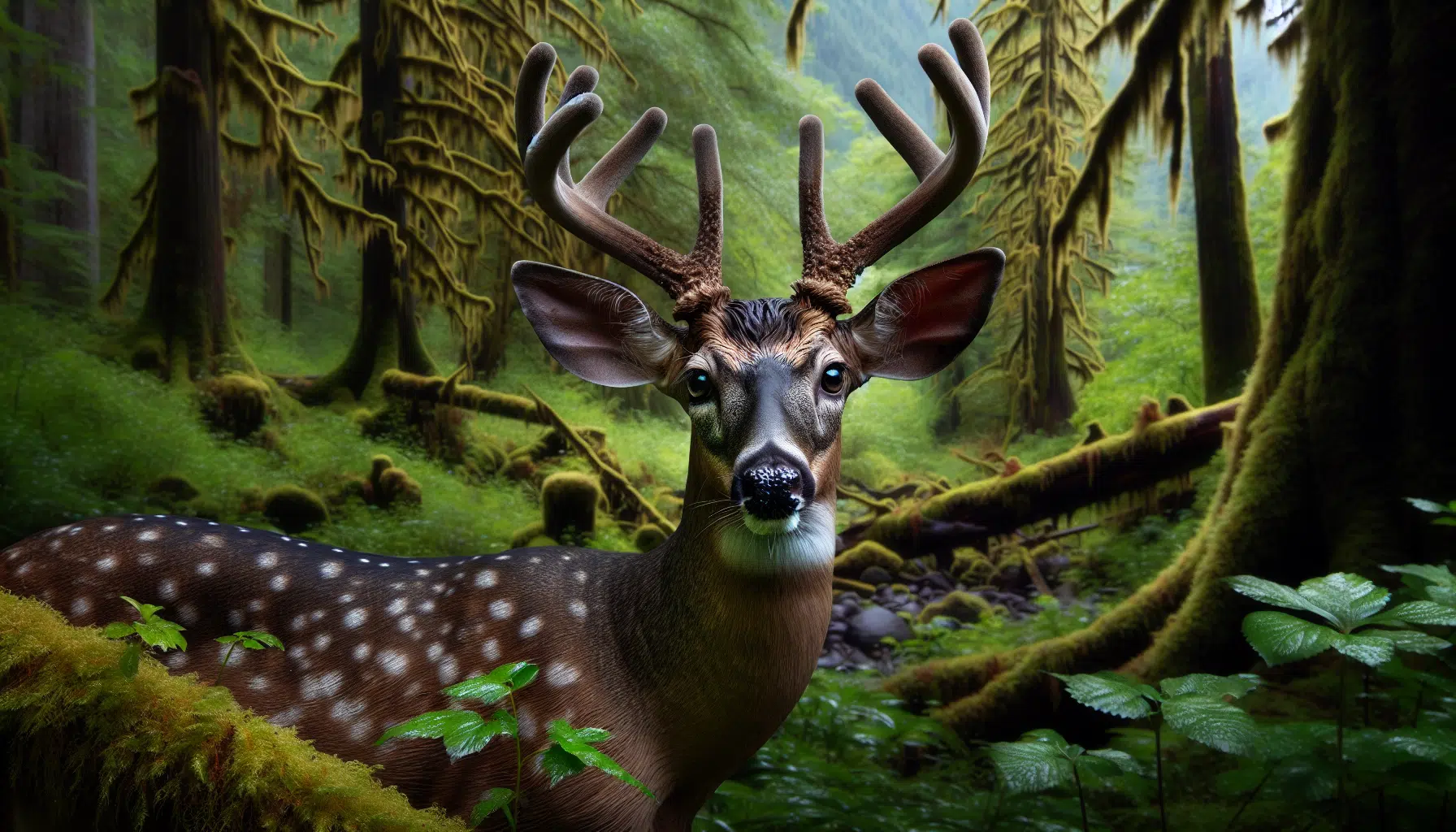
Why Do Fawns Have Spots?

Fawns have white spots for one main reason: camouflage. A newborn fawn cannot outrun a coyote or a bobcat, so its survival depends on not being seen at all. The pattern of white spots scattered

Read More »
An informative depiction showcasing diverse habitats of sloths from around the globe. The image includes a series of visually distinct environments: a dense and verdant rainforest with many tree canopies where a sloth is hanging lazily; a sparse forest having a cooler climate, here a sloth is seen wrapped around a thick tree bark. Next, there's a sunlit mangrove swamp, where a sloth is swimming in the shallow waters. Lastly, an image of a sloth's nest found high in the tree branches inside a thick forest.

How Many Fawns Do Deer Have?

Most deer give birth to one or two fawns per year, and for a healthy adult white-tailed doe, twins are actually the norm. First-time mothers usually have a single fawn, does in their prime on

Read More »
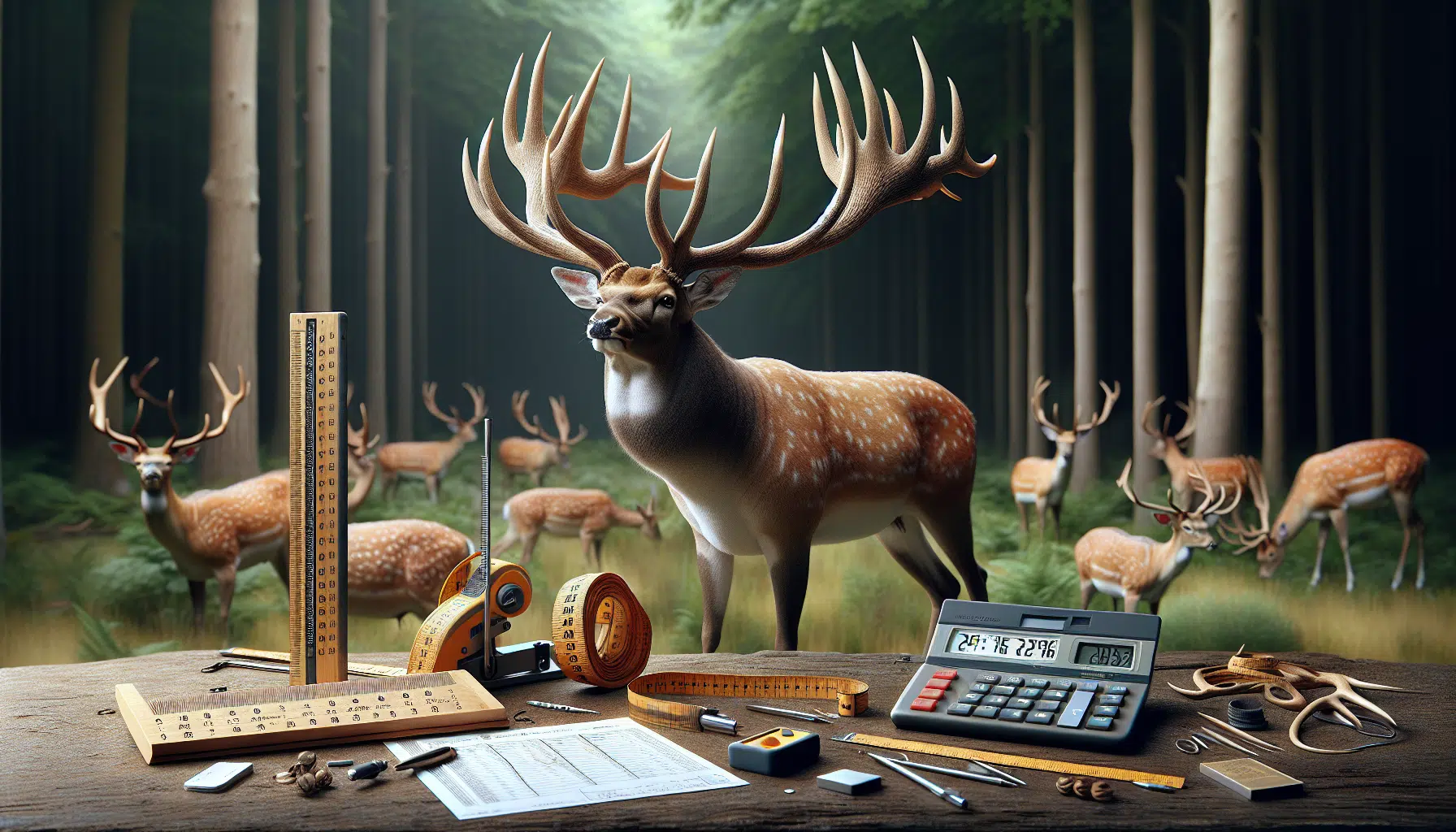
A detail-oriented depiction of a deer in its natural environment, standing majestically with a magnificent antler rack in full display.

Do Deer Travel in Groups?

Yes, deer are social animals, and most of the deer you see are traveling in groups. For white-tailed deer, the most common arrangement is a small family group built around an adult doe, her fawns,

Read More »

Learn About Different Types of Deer

There are many different types of deer, and our website has information about just about all of them. We invite you to check out a few of the most interesting deer species below, and continue to explore our website to learn more about the many different types of deer around the world.

Rusa Deer

Rusa Deer

The Javan Rusa Deer (Rusa timorensis), also known as the Sunda Sambar, is an impressive-looking species of deer native to the Indonesian isles and East Timor. It has been introduced in a number of locations

Read More »
Reindeer

Reindeer

Reindeer (Rangifer tarandus) are species of deer found at high latitudes and a number of longitudes around the world. They inhabit cool climates, and are native to the arctic, sub-arctic, tundra, boreal, and mountain ranges

Read More »
Pampas Deer

Pampas Deer

The Pampas Deer (Ozotoceros bezoarticus) inhabits the wet and grassy lowlands of its range in South America. This species is endangered due to a loss of its preferred habitat and over-hunting, and is the beneficiary

Read More »
Moose

Moose

The moose (Alces alces) is a massively large member of the deer family that lives in the colder, northern climates. In North America, moose are found primarily in the forests of Canada and Alaska, with

Read More »
Elk

Elk

Like the white-tailed deer, the North American Elk (also known as the Wapiti) is a cervid. In fact, it’s the second-largest species in the deer family, making it an impressive animal. The North American elk

Read More »

Basic Information About Deer

  • There are many different species of deer found around the world. All are hoofed ruminant mammals that collectively form the family Cervidae. In this family there are two primary groups: Cervinae (which includes North American Elk (Wapiti), Red Deer, and Fallow Deer), and Capreolinae (which includes species such as White-Tailed Deer, Roe Deer, Moose, and Reindeer).
  • Deer live and thrive in a variety of microclimates around the globe. Some species are right at home on the frozen Tundra, while others easily navigate the dense brush of tropical rainforests. While we typically associate forests with deer, most species prefer the areas of transition between thick forests and open grasslands. This is why there’s some evidence that logging actually benefits deer in some parts of the world, though they always require adequate forest and brush cover for populations to thrive.
  • Deer come in all shapes and sizes – ranging from the imposing Moose of North America (which can stand 8.5 feet tall and is the largest species of deer), to the tiny Northern Pudu of the Andes mountain range (which typically measures just 13-14 inches in height and is the smallest species of deer in the world).

Deer Hunting Articles

Are you a deer hunter, or do you want to learn more about how hunters work to find, shoot, and process these animals in the field? We’re expanding our site to include articles on topics of interest to readers who are hunters or who would like to learn more about deer hunting and tracking deer.

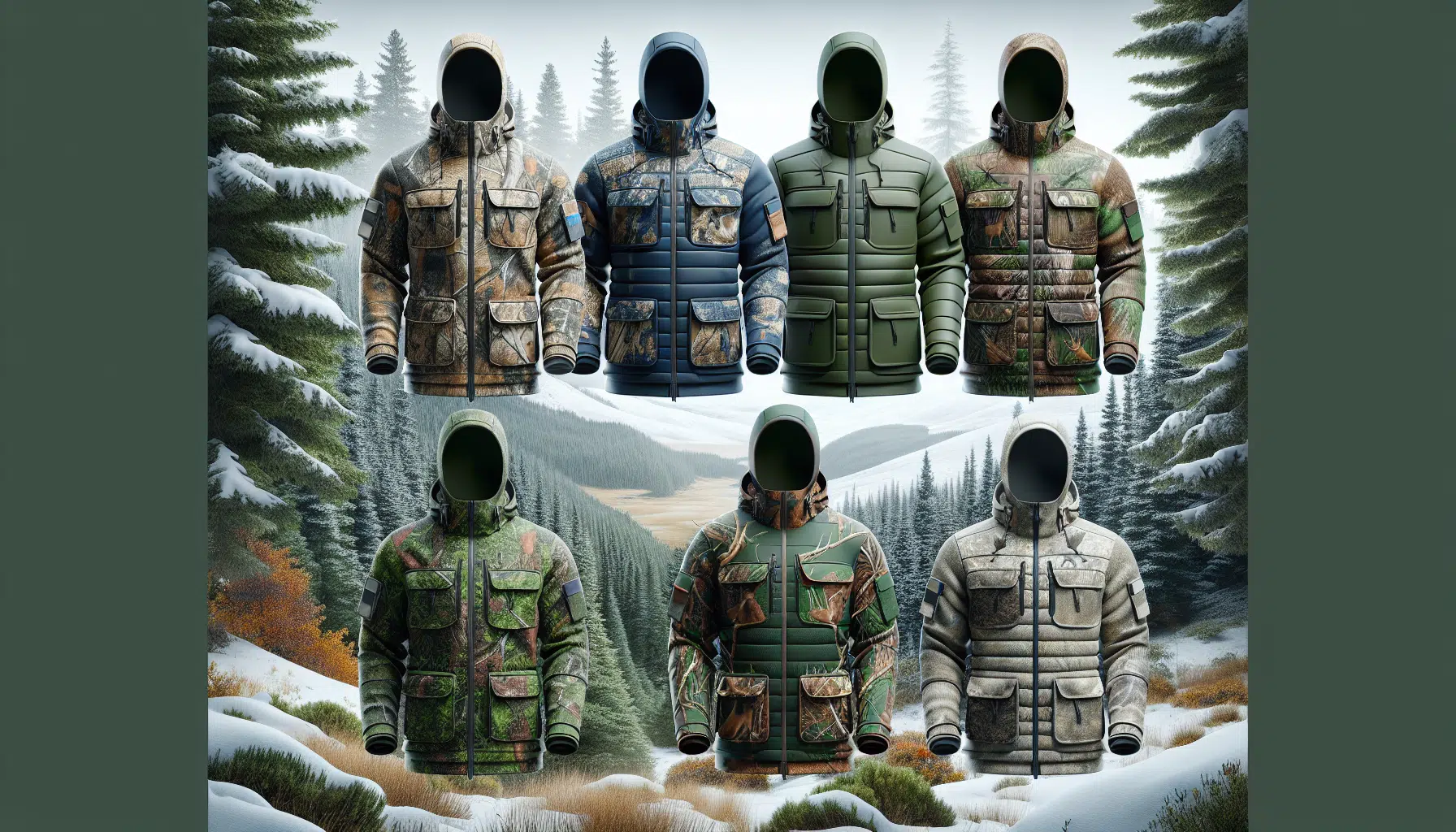
Visualize an assortment of unbranded hunting jackets, each with a different design and coloring to suit various terrains. The jackets should all show off advanced hunting features like ample pocket spaces, camouflage patterns, high collars, and waterproof materials. The surrounding environment should illustrate the different ecosystems they're designed for, including a dense forest, a snowy mountain, a grassy plain, and a dessert. All are positioned in such a way that they hold their shape despite no people wearing them. Do not include any text within the image or on the jackets.

Best Hunting Jackets: Latest Outerwear Picks

Finding the Ideal Hunting Jacket for Your Outdoor Adventures When setting out for a hunting excursion, one item that can greatly influence your comfort and success is the hunting jacket you choose to wear. So

Read More »
An image illustrating a selection of hunting binoculars laid out on an rustic wooden table. Each set of binoculars appear in different sizes and styles with features like grip-friendly rubber coating, smooth central focus knob, and adjustable eye cups. These binoculars showcase advanced attributes such as large objective lens for maximum light transmission, excellent optical clarity, and water-resistant, fog-proof design for extreme weather conditions. All binoculars are presented without any identifying logos or text, simply showcasing their design and functionality. The background should be a simple landscape with lush forest under a clear sky, reinforcing the hunting theme.

Best Hunting Binoculars: Latest Optics Reviewed

Understanding Binocular Specifications Before diving into the best hunting binoculars for January 2026, it is essential to understand the crucial specifications that differentiate one pair from another. Power and lens diameter are the lifeblood of

Read More »