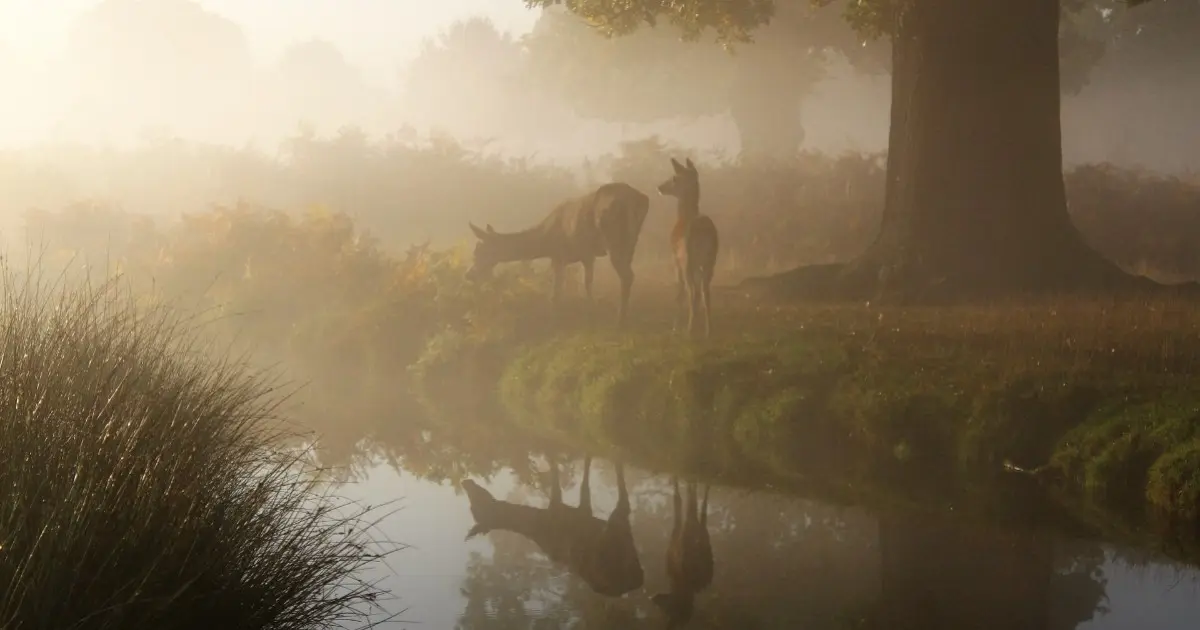
On this page we’ll discuss the importance of deer conservation efforts, and explain some of the different steps biologists and environmental groups are taking to preserve different types of deer around the world.
An Introduction to Deer Conservation Efforts
Although numbers of some species of deer are booming, such as the Roe Deer in Europe and the White-Tailed Deer in North America, other species are at serious risk of becoming extinct in the next few decades or even years.
There are a number of reasons why it is important to stop these species of deer from extinction.
As previously mentioned deer have an important role to play in the ecosystems in which they live. The loss of deer from a habitat could have far reaching effects for the community in which they once lived.
Some of these endangered species could have a possible useful economic use for man, and these deer could be farmed or harvested sustainably. Often these species are more efficient at turning grass into meat than introduced domestic livestock.
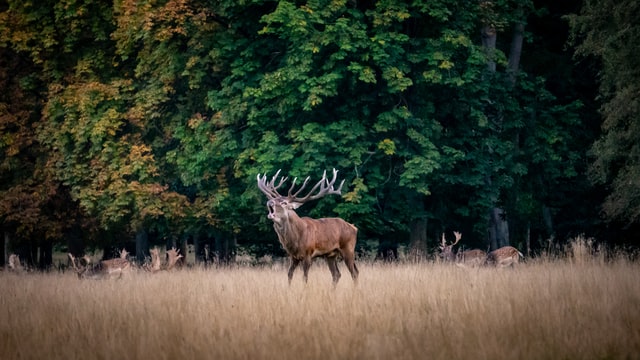
We should also try to save deer species simply because they are living things that deserve our respect and have the same right to a place on the earth as we do.
Reasons for Declining Deer Populations
There are two main factors driving some species of deer to the brink of extinction. These are:
- a loss of the deer’s natural habitat, and
- overhunting by man.
Some species of deer are extremely adaptable and have managed to colonize the habitats created by man. Some have even moved into the suburbs.
But many others are not so adaptable and when the habitat in which they live starts to disappear, they begin to disappear along with it. There are various health threats like CWD and even Rabies, but these tend to have a lower impact on deer populations as a whole.
Loss of Habitat
A number of deer species inhabit the often swampy and marshy open grassland areas found close to rivers. These are prime areas to develop for agricultural purposes. The proximity to water, and the rich fertile soil of river basins offer clear benefits to farmers.
These fertile areas are often the first to be developed. Throughout history as the human population has grown there has been an increased demand for these areas for farming. As a result, the local deer population have been displaced.
A good example of this is in India, where the Barasingha Deer was once a widespread and fairly common animal. But after increased demand for farmland in their preferred habitat, they have been displaced as a species, which results in hardship.
Those deer, which live in areas of tropical rainforest, such as many of the Muntjac and some of the Sambar species of deer, have also faced problems with habitat degradation.
The areas in which these species are found, such as south east Asia are seeing the largest increases in human population on the planet. The large tracts of tropical rain forest are increasingly disappearing because of logging for timber, or to provide valuable farmland.
Areas that were once too remote to be utilized are now easily accessible with modern modes of transport and technology. As a result, vulnerable native deer populations are being displaced and threatened.
Over-Hunting
During the previous century overhunting has become a much greater threat to a number of deer species. Before the 19th century it was difficult to catch or hunt deer. Normally hunters needed a great deal of skill and patience to be successful.
At that time, deer were mostly caught using primitive traps and snares. The numbers of deer actually caught was low, and hunting had little effect on deer populations.
However, with the advent of firearms things changed dramatically.

Firearms became increasingly reliable, cheap and widespread from the late 19th century onward.
The spread of firearms meant that anyone, even somebody with comparatively little skill, could successfully hunt and kill deer.
Hunting still requires patience. But firearms make hunting much easier and more efficient.
Hunting could cause entire populations of deer in a specific location or area to become extinct. A number of species of deer have had there distribution ranges reduced because of hunting. Even more could face extinction because of it.
Over-hunting is rarely the only factor causing a species to become extinct. But when allied with habitat loss it can speed the process.
Agriculture
Another factor that damages deer populations is competition from livestock.
This is most notable in the South American species of deer that live on the open plains of the Pampas. The Pampas is a large area of open grassland that is ideal for the raising of large numbers of livestock. Beef production surged when the South American continent was colonized.
This forced the native species of deer such as the Marsh Deer and the Pampas Deer out of their natural habitat. These species have survived by retreating to the margins of the grasslands, where they can avoid competition from cattle.
How to Get Involved
There are a number of things that can be done to stop the endangered deer species from becoming extinct.
Support Research
Firstly, it is important that there is adequate information about each species. Little is known about many deer species. This is especially true of many of the muntjac deer which live in remote difficult to reach locations. A number of these deer have only recently been discovered.
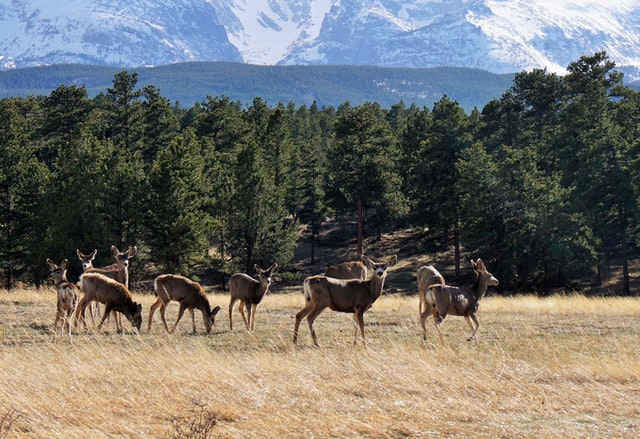
It is obvious that without knowing how an animal lives, or how many there actually are, it is impossible to help it.
Research into the threatened species of deer should be of prime importance.
Captive Breeding Programs
Captive breeding can be used to save species from extinction. There have been notable successes, most famous of all with the Pere Davids Deer.
The problem with captive breeding is that it is difficult to do and is very expensive. Sometimes it will fail for no obvious reason … the species simply does not adapt to living in captivity and being unable to breed.
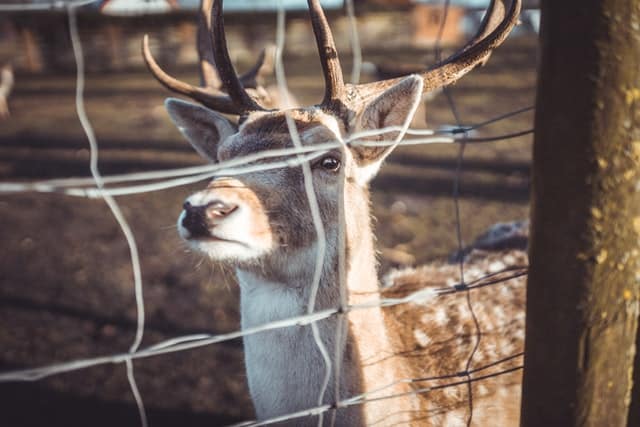
Deer can be notoriously tricky to domesticate and habituate to life in captivity. Captive breeding should only really be considered when there is really no other alternative. It’s a viable solution when the species looks as though it will become extinct very soon.
Captive breeding of animals is one thing. Re-introducing them back into the wild is another, and poses a whole new set of challenges. It is no use captivity breeding animals if there is nowhere for them to go or live.
Protect Native Habitat
A much better idea is to protect the habitat in which the deer lives. Not only is the deer saved from extinction with this approach, but all the other species of animals, plants and insects that live with it are also saved.
This is usually done by the specific government of the country where the deer lives. But it may also be done by a large nature conservation organization that buys the land and provides resources. This way folks can buy and run a successful nature reserve.